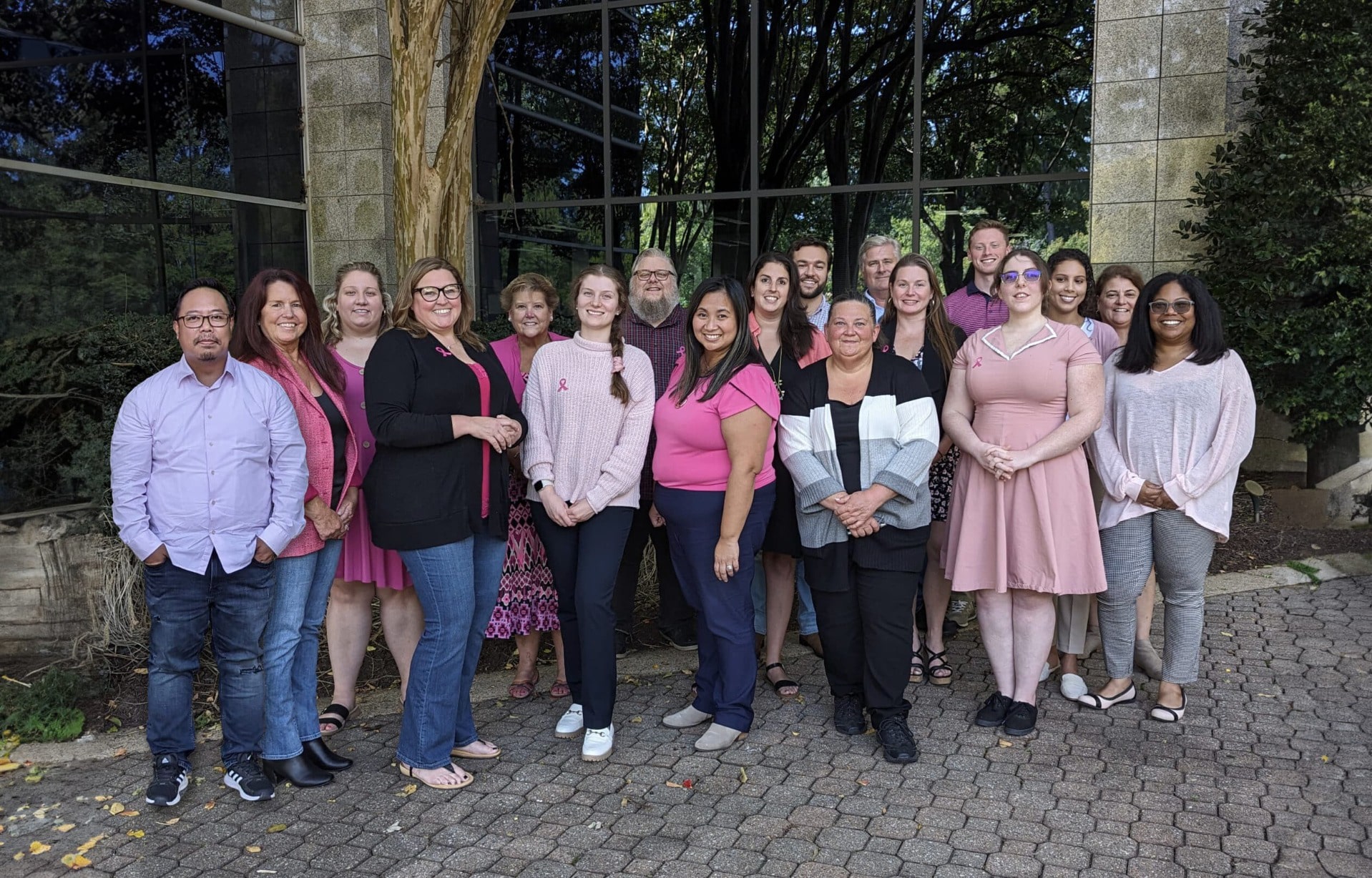
April Recognition: Celebrating Recent Honors at Qantm
April 8, 2026
Many people with the skills and potential to succeed in the maritime industry have never considered a maritime career.
Prospective workers may want better pay, a skilled trade or work with a larger purpose. But they may not know which roles fit their abilities, whether training is available or, in many cases, even where to begin. A job posting is unlikely to reach someone who has never considered the industry.
Building a stronger maritime workforce begins earlier. It requires understanding what prospective workers believe about the industry, addressing the barriers that keep them from exploring it and creating a clear path from initial awareness to training.
Qantm Creative saw that challenge firsthand in its work with the Hampton Roads Workforce Council. A regional survey revealed gaps between what maritime careers offer and how potential candidates perceive them. The findings helped shape the Hampton Roads Maritime Training System (HRMTS), a workforce development initiative designed to connect jobseekers with the training and opportunities available across the region’s maritime industry.
Maritime employers know what these careers can provide: competitive pay, transferable skills, opportunities for advancement and a role in building and sustaining the nation’s maritime and defense infrastructure.
Prospective workers may see something different. They may associate the industry with physically demanding work, unfamiliar terminology, rigid requirements or jobs that are difficult to access without previous experience.
An effective workforce recruitment strategy should begin by identifying those perceptions instead of assuming the audience already understands the opportunity. What do potential candidates know about the industry? What do they misunderstand? What motivates them? What prevents them from taking the next step?
For HRMTS, Qantm used the regional research findings to develop a name and visual identity, outreach strategy and digital platform that could make maritime careers and training more approachable. The goal was not simply to promote available programs. It was to help more people recognize that there could be a place for them within the industry.
There is no single maritime candidate.
A transitioning service member, high school student, unemployed or underemployed jobseeker and person looking for a career change may all be strong prospects, but they are unlikely to respond to the same message.
A transitioning service member may ask, “Will my experience count?” A student may ask, “Can I learn a trade while earning a paycheck?” Someone changing careers may want to know whether training is available and how long it will take to become qualified.
Each person needs an answer before a maritime career becomes a real possibility.
Those questions should shape the messages, imagery and next steps prospective workers see. For HRMTS, Qantm developed distinct messages and training paths for young people, veterans, transitioning service members and jobseekers. This audience-centered approach helps people find information that speaks to their circumstances rather than expecting them to interpret broad industry language on their own.
Interest is valuable only if people know what to do with it.
Maritime career and training sites can require visitors to navigate technical job titles, lengthy descriptions and unfamiliar qualifications before they understand whether an opportunity is right for them. For someone who is new to the industry, that complexity can become a barrier.
A workforce recruitment platform should make the next step easier. Visitors should be able to explore potential careers, identify training relevant to their goals, understand basic requirements and see how they can get started.
Search optimization also matters because many prospective workers begin with broad questions rather than the name of a particular employer or training provider:
For HRMTS, Qantm developed maritimejobsva.com to help people find training paths relevant to their interests and circumstances. The platform brings information together in one place and helps answer the questions that often stand between initial curiosity and a meaningful next step.
Reaching a broad workforce requires different channels with distinct purposes.
Someone actively searching for maritime training needs a direct answer. Someone who has never considered the industry may first need to see what the work looks like or hear from a person already doing it. At a community or recruiting event, that initial interest can become a conversation about qualifications, training and available opportunities.
Each channel should serve the question a prospective worker is ready to ask.
For HRMTS, Qantm carried a consistent brand across the website, digital advertising, social campaigns, video and event materials. Together, those channels help introduce maritime career opportunities, make the industry more familiar and direct interested individuals toward relevant training.
Consistency is critical. The opportunity presented in an advertisement should match what someone finds on the website. A conversation at an event should lead to a clear digital resource or training path. Otherwise, each new encounter asks people to start over.
The details that make a worker’s story useful are rarely found in a program description.
How did the person get started? What did training require? What surprised them about the work? Who helped them learn? What changed as they gained experience?
An early alarm, a commute across the water or classes after a full shift can tell prospective workers as much as a list of benefits. Those details help people understand what a maritime career may ask of them—and why people take pride in doing the work.
Authentic storytelling also makes career progression more tangible. A person entering the industry can develop into a skilled trades professional. An individual contributor can become a supervisor. Someone who once needed guidance can eventually help train the next generation.
These stories allow prospective workers to see more than an immediate opening or training program. They help people imagine what a future in the industry could become.
Training enrollment and job placement are critical outcomes, but they are not the only signals worth watching.
Workforce development organizations should also examine which audiences engage, which messages prompt action, how people find training information and where they leave the process. Those insights can help improve an outreach campaign while it is active.
If people see an advertisement but never visit the website, the message may need work. If they visit but do not explore a training program, the content or site experience may be creating an obstacle. Measurement helps teams identify and address those gaps.
Since Qantm’s partnership with HRMTS began in 2024, the digital platform has attracted more than 136,000 unique visitors. HRMTS also enrolled more than 4,100 students in 2025. These figures capture different but connected parts of the initiative’s work: bringing maritime opportunities to a broad audience and helping people take the next step into training.
The maritime industry does not simply need more applicants. It needs people who understand the opportunity, are prepared for the work and can see a future for themselves in the industry.
Reaching those people takes research, clear messages, authentic stories and a simple path forward. A job posting may announce an available position, but building a sustainable talent pipeline starts much earlier. It begins by helping someone recognize that a maritime career is possible.
At Qantm Creative, we bring research, brand strategy, storytelling, digital experiences and media together to help workforce organizations connect people with meaningful career pathways. If your organization is working to strengthen a regional workforce or reach people who may not yet recognize the opportunities available to them, let’s talk.