AI Is Rewriting Your Meta Descriptions. Here’s How to Stay Visible in Search.
December 9, 2025


At Qantm Creative, we believe the smallest ideas can create the largest ripple effects. This approach to marketing means no detail is too small, and no shift in thinking is too subtle to matter.
Creative processes are evolving faster than ever. New platforms, tools, and expectations are reshaping how brands communicate. Audiences scroll faster, judge quicker, and expect more authenticity than ever before. In the middle of that shift is a generation of creatives who have never known anything different: Gen Z.
They are the first fully-digital generation, the majority of whom grew up during a time of rapid cultural, economic, and technological change. They were given smartphones for Christmas, used computers instead of notebooks in school, and had access to social media from a young age. The result is a generation of creatives who are fast-moving, highly adaptive, and deeply in tune with the surrounding culture. They are comfortable blending styles, references, and mediums without hesitation. This does not just influence how they design. It fundamentally changes how they think, how they solve problems, and most importantly, how they approach creative work.
Gen Z presents an interesting case study for the impact these factors have on creating a generational visual identity. They bring a fresh take on design that balances the structure provided by more senior colleagues and have a unique contribution to make within their respective teams. Maybe the best way to explain the idea of “Gen Z Design” is less about an established style and more as a set of recurring attitudes toward design that show up visually in a finished piece of work. That being said, there are a few key recurring design themes we can use to better understand it.
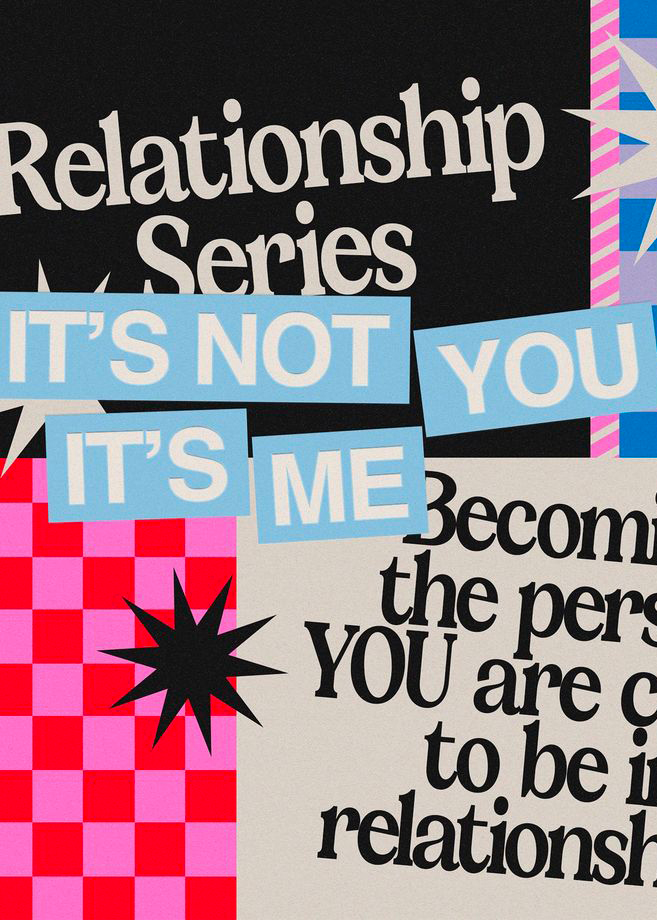
Gen Z creatives are not afraid to push boundaries. Their work often features bold visuals, layered compositions, and unexpected typography. We see a shift away from simplicity, an aesthetic trend made popular by millennials in the last couple of decades, evidenced by the rise of internet slang like “Millenial gray” and the “sad beige aesthetic.” Instead, it gravitates towards expressive, vibrantly-colored, almost chaotic compositions that often break traditional design rules in order to create a distinctly exaggerated look and feel.
In a world where excessive visual stimuli is commonplace and the internet is the default medium for artistic expression in younger generations like Gen Z, this approach matters. It creates work that stops people mid-scroll and demands attention in a way safe design rarely does.
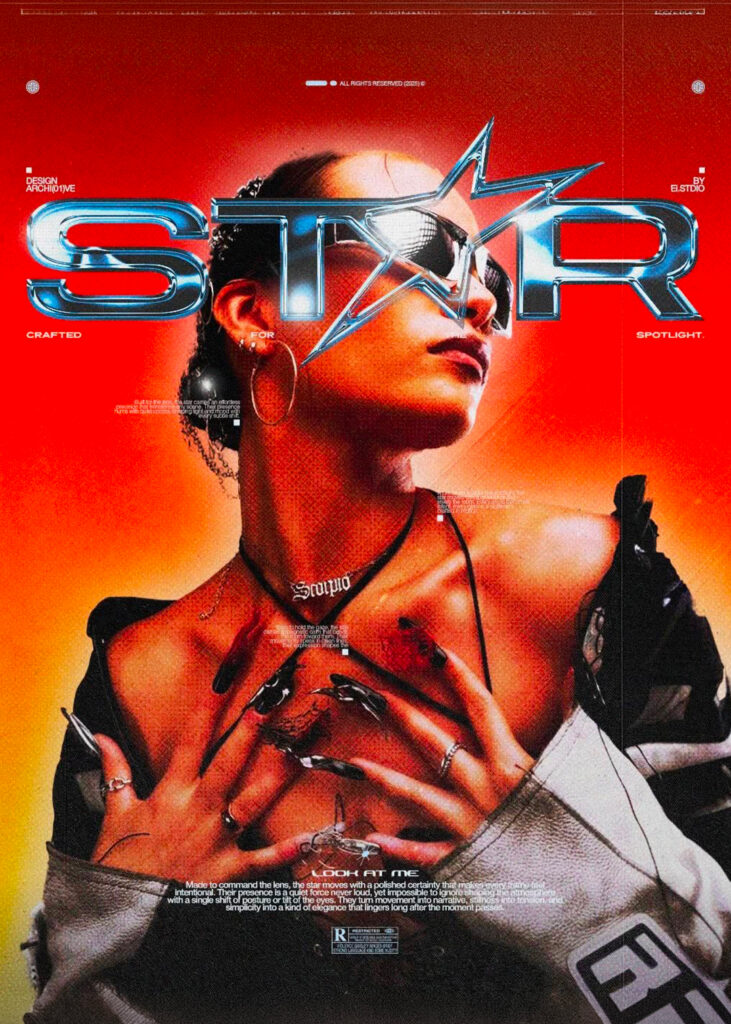
Gen Z design styles often recall and incorporate highly recognizable aesthetic choices from the beginning stages of the world wide web, things like high-contrast gradients, inflated typography, or analog textures, all reminiscent of what you might come across on early internet platforms.
Incorporating design elements that have worked well in the past looks back on a simpler time, before the internet became the complicated, overwhelming landscape we know it to be today. This approach creates an immediate emotional connection. It feels familiar, but not outdated. It balances comfort with novelty, which is exactly where many brands want to exist. The line feels appropriately retrospective without being dated or tacky, and Gen Z walks it well.
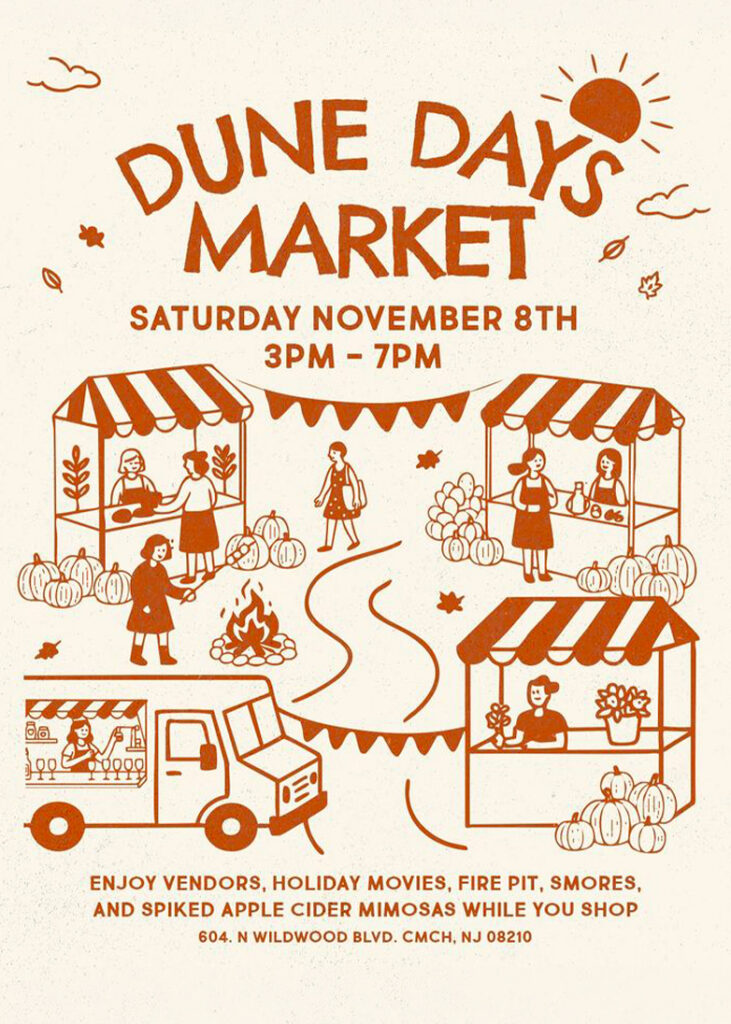
This generation values inclusivity, sustainability, and trust far above perfection. In design, this looks like an emphasis on a simplified, somewhat imperfect or even hand-drawn feel over polished, corporate design. Often you will see lots of funky textures, organic illustrations, and overlapping or off-centered elements.
The digital landscape that molded Gen Z’s younger years and continues shaping their adulthood is hyper-produced and curated. Their reaction is one that shifts the tone in the opposite direction, preferring to lean into realness and vulnerability that tells a more complete story through their art.
This becomes especially important for audiences that are becoming increasingly skeptical of overly-produced marketing. Imperfection signals honesty. It makes brands feel more human and less manufactured. And in a world where trust is currency, that distinction matters.
These characteristics are not just aesthetic trends. They translate directly into workplace value. Gen Z creatives bring speed and adaptability. They understand how quickly culture shifts and how fast creative needs to respond, and bring an awareness that helps brands stay relevant, not purely reactive. They are willing to experiment, to test ideas, and to challenge assumptions that may no longer hold up. Most importantly, they do not default to “how it has always been done,” but strive to help push their teams forward and introduce new ways of thinking. On their own, this is valuable. Inside a collaborative team, it becomes exponentially more powerful.
In an agency environment like ours, creative teams operate across a range of industries, audiences, and challenges, forcing creatives to adapt quickly and think differently from project to project. This presents a unique setting where emerging voices and experienced strategists can work side by side. Gen Z creatives bring a fresh perspective while senior creatives bring context, discipline, and strategic grounding.
This balance matters. Clients not only get fresh, relevant creative informed by real-time cultural awareness, but also strategy, experience, and the structured process behind it. Working with a team that provides a space for Gen Z to contribute their knowledge and perspectives means accessing a spectrum of thinking, not just a single point of view. As a result, younger creatives are learning, contributing, and elevating the work at the same time. The result is more thoughtful, more effective creative.
At its core, the advantage of involving Gen Z creatives in the workplace comes back to perspective. The smallest shifts in thinking can create the biggest results, and Gen Z creatives represent those shifts. A world that moves fast, values honesty, and demands attention has molded a generation of creatives to fill that gap who prioritize expression over perfection and value making an impact over blindly following the rules, all while remaining true to their roots.
They challenge assumptions, introduce new approaches, and bring a level of cultural fluency that is essential in today’s landscape. The future of design doesn’t have to look like choosing between experience and new perspectives, but instead can combine the two with the goal of creating in a way that works smarter, impacts deeper, and resonates all around.
Written by Maddie Kent