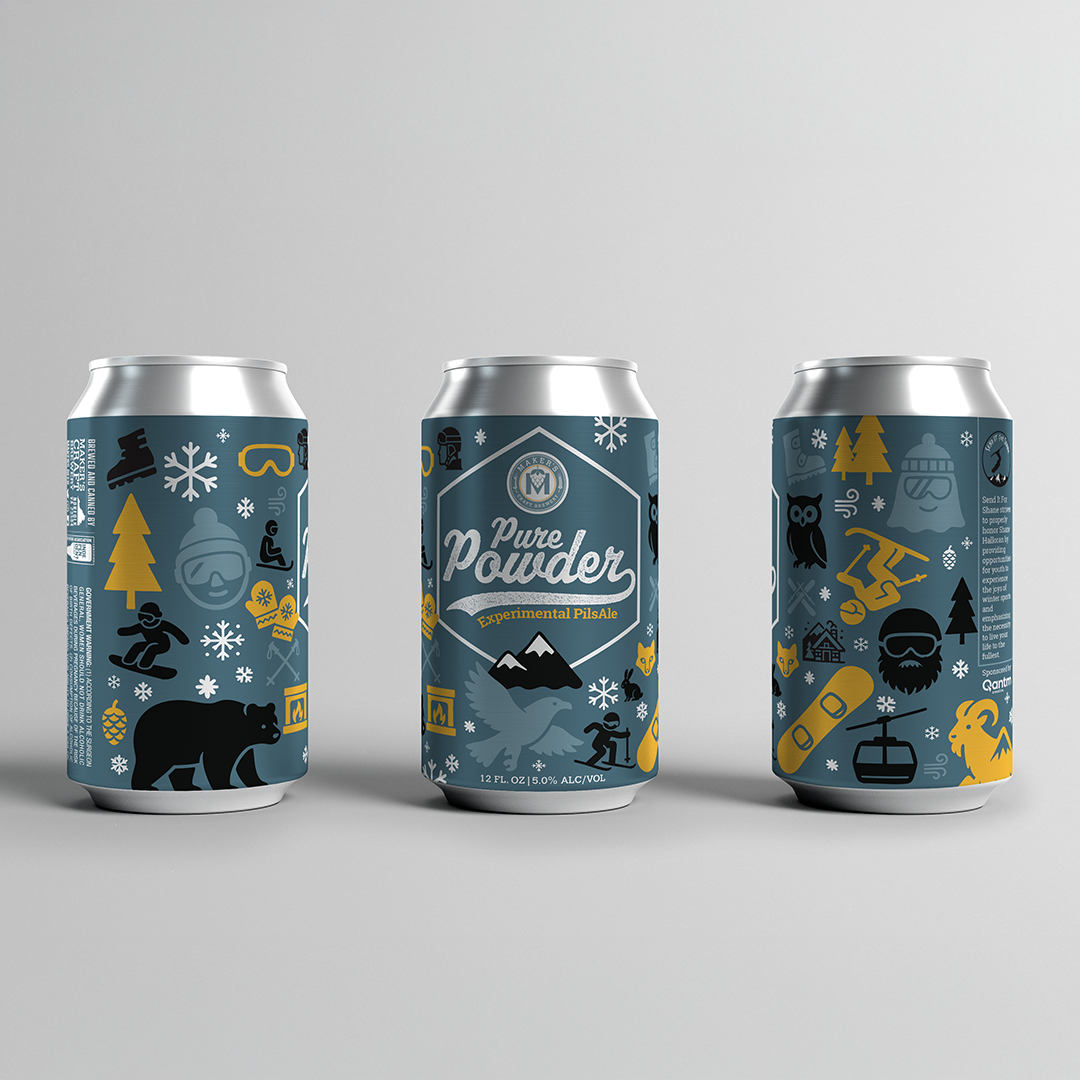
Creativity with a Cause: Supporting Send It For Shane
November 6, 2025
Do webinars still work? Short answer: yes. Long answer: they work differently than most businesses realize.
When executed strategically, webinars are one of the few marketing tactics that drive both lead generation and demand generation at the same time. Let’s break down why.
Before we talk about webinars, we need clarity:
Most tactics lean heavily one direction. Webinars do both.
When someone registers for a webinar, they are:
That’s dramatically higher intent than someone who downloads a checklist in 10 seconds. Because of this, webinar registrants typically:
And unlike many gated assets, webinar registrations are often tied to a specific topic or pain point, which gives your sales and marketing teams valuable context.
Webinars provide behavioral data you can’t get from static content:
This turns a simple email address into actionable intelligence.
Now you can segment follow-up messaging based on engagement level:
That’s smart lead generation.
One webinar becomes multiple touchpoints:
Instead of a single conversion moment, you create a sequence of engagement events. That’s how leads warm up.
Now here’s where most marketers miss the bigger opportunity. Webinars don’t just capture demand. They create it.
When you host a webinar, you shift from vendor to educator.
You’re not just selling. You’re teaching. You’re leading the conversation.
That builds:
In competitive industries, expertise is often the deciding factor, not price.
Demand generation is about future pipeline.
Many webinar attendees won’t need your service immediately. But now they:
When the need arises months later, you’re no longer a cold option. You’re familiar. And familiarity shortens sales cycles.
One 45-minute webinar can become:
Now the demand generation effect extends far beyond the live audience. The webinar becomes a content engine.
AI tools summarize blog posts. Search engines provide answers without clicks. But webinars offer something different: Access.
People don’t attend webinars for generic information. They attend for:
That human interaction cannot be replaced by AI summaries. In fact, as AI commoditizes information, live expertise becomes more valuable.
Not all webinars generate leads. Here’s what separates high-performing webinars from ones that flop:
“Marketing Trends” is vague.
“3 Ways to Reduce Cost-Per-Lead in 2026” converts.
Focus on the audience’s pain, not your service offering.
Email + social + paid support = stronger registration velocity.
Don’t end with “Thanks for attending.” End with:
The webinar is not the finish line. It’s the beginning of the relationship.
Webinars work especially well when:
They are particularly powerful in:
Webinars sit in a rare middle ground. They:
Few tactics check that many boxes. Webinars aren’t just events; they’re strategic growth tools when built and executed intentionally. From topic development and promotion strategy to engagement tracking and post-event nurture, Qantm Creative can help you turn a single webinar into a structured lead generation and demand generation engine that drives measurable business impact. If you’re ready to move beyond one-off marketing tactics and build something that compounds over time, we’re ready to build it with you.
Written by Lori Aitkenhead, Director of Digital and Social Media